Peony Flowers: A Journey into Their Symbolic Significance
Posted on 13/08/2025

Peony Flowers: A Journey into Their Symbolic Significance
Peony flowers have captivated the hearts and imaginations of people globally for centuries. Their lush, opulent petals and vibrant colors make peonies stand out among the world's most beloved blooms. Beyond their visual appeal, peony flowers carry deep symbolic meanings in different cultures, touching upon themes of romance, prosperity, honor, and more. In this comprehensive article, we embark on a journey through the fascinating symbolic significance of peony flowers, exploring their historical roots, meanings in various cultures, and how these meanings continue to inspire people around the world today.
What Makes Peony Flowers Unique?
Peonies are perennial plants, mainly native to Asia, Europe, and Western North America. They are renowned for their large, ruffled blooms and rich, enticing aroma. There are two main types: herbaceous peonies, which die back to the ground each Winter, and tree peonies, which have woody stems and persist through the cold season.
- Scientific Name: Paeonia
- Common Colors: Pink, red, white, yellow, coral, and even purple
- Blooming Season: Late spring to early summer
With their luxurious appearance, peonies often steal the spotlight in gardens, bouquets, and special occasions. Their beauty, however, goes far beyond mere aesthetics.
The Historical Roots of Peony Flower Symbolism
Peonies in Ancient China
The story of peony symbolism begins in ancient China, where the flower was revered as the "King of Flowers." Its association with royalty, prosperity, and honor made it a favorite motif in Chinese art and literature. Peony flowers frequently appeared in imperial gardens and were often painted on scrolls and porcelain, symbolizing good fortune and social status.
Some of the key symbolic meanings attributed to peonies in China include:
- Wealth and Prosperity: The opulent blooms represent abundance and affluence.
- Honor and Nobility: Peonies are linked to high rank and virtuous character.
- Femininity and Beauty: The soft, rounded petals evoke feminine grace and elegance.
Peony Flower in Greek Mythology
The etymology of the word "peony" can be traced to Greek mythology. The flower is said to have been named after Paeon, a student of Asclepius (the god of medicine). According to legend, Paeon cured Pluto using the roots of a peony plant. Out of jealousy, Asclepius threatened Paeon, but Zeus saved him by turning him into the peony flower. Thus, in Western traditions, peony flowers symbolize healing, protection, and compassion.
Peony Flowers: Cultural Significance Across the Globe
Peonies in Japanese Culture
In Japanese culture, peony flowers are associated with good fortune, bravery, and honor. Sometimes known as "botan," the peony appears in traditional Japanese tattoos, where it denotes a blend of strength and gentleness. The peony's lush form and vivid color are viewed as expressions of hope and a life of abundance.
- Bravery: A favorite motif among Samurai, peonies represent fearlessness and honor on the battlefield.
- Good Luck: Peonies are featured in New Year celebrations and weddings for prosperity and happiness.
- Romance: Known as the "King of Flowers," peonies evoke romance and eternal love.
Peonies in Victorian England
In Victorian England, the language of flowers (floriography) flourished, and each bloom carried specific meanings. Peony flowers symbolized bashfulness, romance, and compassion. In the strict societal codes of the era, peonies allowed for the subtle expression of emotions--especially romantic affection that couldn't be spoken aloud.
Modern Western Symbolism of the Peony
Today, peony flowers in the West continue to be synonymous with romance, prosperity, and a happy marriage. They are a popular choice in bridal bouquets and wedding centerpieces, standing as an emblem of unity and enduring affection. Many people believe that peonies in the home bring luck and positive energy to the family.
Colors and Symbolic Meanings of Peonies
The color of a peony can alter its symbolic message. Here's a look at what different colors signify:
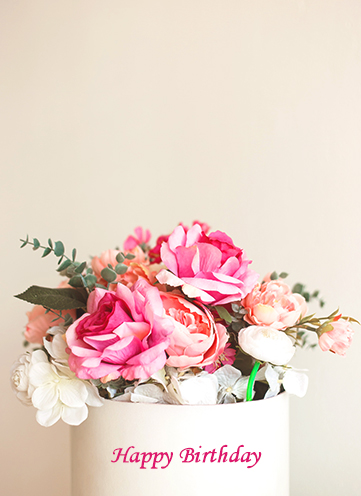
- Pink Peony: Romance, love, affection, and femininity. Pink peonies are frequently used in weddings and romantic gestures.
- White Peony: Purity, innocence, sympathy, and apologies. White peonies are appropriate for expressing regret or wishing someone well on a new beginning.
- Red Peony: Passion, honor, respect, and prosperity. Red in many Asian cultures also signals good luck and is commonly used in festive events.
- Yellow Peony: Joy, new beginnings, and optimism. These peonies can be gifted to celebrate achievements or bright futures.
- Purple Peony: Royalty, admiration, and dignity. Purple peonies are rarer and embody sophistication.
Choosing the right peony flower color for your bouquet or garden can help convey your intentions and emotions in a thoughtful and visually appealing way.
Peony Flowers in Celebrations and Life Events
Peonies for Weddings
No flower quite matches the popularity of peonies in weddings. Their symbolism of love, prosperity, and beauty makes them ideal for bridal bouquets, boutonnieres, and table arrangements. Some reasons peonies are cherished at weddings include:
- Symbol of a Happy Marriage: Peonies are thought to grant a blissful union, showering the couple with good fortune.
- Luxurious Appeal: The voluminous petals and romantic hues add elegance and sophistication to any celebration.
- Seasonal Allure: When in bloom (late spring to early summer), peonies are a highlight of the floral calendar.
Anniversaries and Special Occasions
Did you know that the 12th wedding anniversary flower is the peony? Gifting peonies to celebrate a dozen years of love and partnership highlights the strength, passion, and prosperity that the flowers represent.
Peonies are also a popular choice for Mother's Day, birthdays, graduation celebrations, and housewarming gifts. Their positive energy and good luck associations make them a welcome treat for anyone.
Peony Flowers in Art, Literature & Fashion
Traditional Art and Modern Design
With their intricate layers and stunning range of colors, peony flowers have inspired artists and designers for centuries. In traditional Chinese ink wash paintings, peonies are rendered with soft, natural brushstrokes to symbolize wealth and the fleeting nature of beauty. In contemporary fashion and home decor, the peony's lush aesthetic adorns everything from fabrics and wallpapers to ceramics and jewelry.
Peonies in Poetry and Literature
The fragile yet bold character of peonies has not gone unnoticed by poets and authors. In Chinese poetry, peonies are a metaphor for feminine beauty and the yearning for prosperity. Western writers have used peonies to evoke a sense of romantic longing, seasonal rebirth, and the bittersweet transience of life.
Modern Symbolism in Tattoos
Today, peony tattoos are favored for their rich symbolism and stunning appearance. Whether in vivid color or moody blackwork, peony tattoos represent good fortune, durability, love, and confident femininity. The placement and style of the tattoo can infuse additional meaning, blending traditional significance with personal expression.
Growing Peony Flowers: A Symbolic Addition to Your Garden
If you're inspired by the symbolic significance of peonies, cultivating them in your garden can be incredibly rewarding. Here are some tips for growing healthy, beautiful peony plants:
- Site Selection: Peonies thrive in well-drained soil with at least six hours of direct sunlight per day.
- Planting Depth: Herbaceous peonies should have their eyes (tiny red shoots) planted about 2 inches below the soil surface, while tree peonies can be planted a bit deeper.
- Watering: While peonies are drought-tolerant once established, regular watering helps encourage lush growth, especially during dry spells.
- Pruning: Deadhead spent blooms and cut back herbaceous peonies after the foliage dies back in autumn.
- Patience is Key: Peonies can take several years to fully mature and start blooming but can thrive for decades once established!
By planting peonies, you invite not only beauty but also the flower's celebrated symbolic virtues--love, honor, and abundance--into your home.
The Enduring Symbolic Power of Peony Flowers
The journey into the symbolic significance of peony flowers reveals a tapestry of meaning that transcends time and borders. Whether standing tall in a Chinese imperial garden, gracing a bridal bouquet, or adorning artwork and poetry, peonies speak to the very best qualities humanity strives for: honor, prosperity, romance, and renewal.
As you appreciate the lush bloom of peony flowers--in your garden, in a vase, or in art--remember the centuries of symbolism woven into their velvety petals. They are more than just pretty flowers; they are enduring icons of hope, fortune, and heartfelt emotion.
Peonies: A Bloom for All Seasons and Sentiments
With their breathtaking beauty and profound symbolic power, peony flowers remind us to celebrate life's abundance, cherish love, and pursue honor in all we do. Next time you send or receive peonies, let their ancient meanings add depth to your gesture and joy to your heart.
Explore the world of peonies, and let their symbolic significance inspire your journey!